

Effective Methods to Minimize Freight Delivery Delays
Delays in freight delivery can cause significant disruptions in supply chains, leading to customer dissatisfaction and increased costs. To remain competitive, businesses must adopt strategies that minimize these delays. By understanding the causes of delays and implementing effective strategies, you can ensure smoother operations. This guide will explore key approaches that help in reducing transit time and improving overall efficiency.

Understanding Freight Challenges
One of the primary challenges in the logistics industry is ensuring timely deliveries. Many factors contribute to delays, such as weather conditions, traffic congestion, and paperwork issues. When dealing with freight transportation, it’s essential to anticipate these hurdles and plan accordingly to maintain a steady flow of goods.
Benefits of Timely Deliveries
Timely deliveries offer numerous benefits. They improve customer satisfaction and enhance business reputation. Additionally, reducing delays can lower operational costs by avoiding penalties and extra charges associated with late shipments. Efficient freight transportation ensures that your company remains reliable and trusted by its clients.
Common Causes of Freight Delays
Several common issues lead to delays in transporting goods. These include poor route planning, unexpected weather changes, and miscommunication between shippers and carriers. Furthermore, international shipments often face customs-related delays. Identifying these problems allows businesses to create contingency plans and mitigate risks associated with freight transportation.
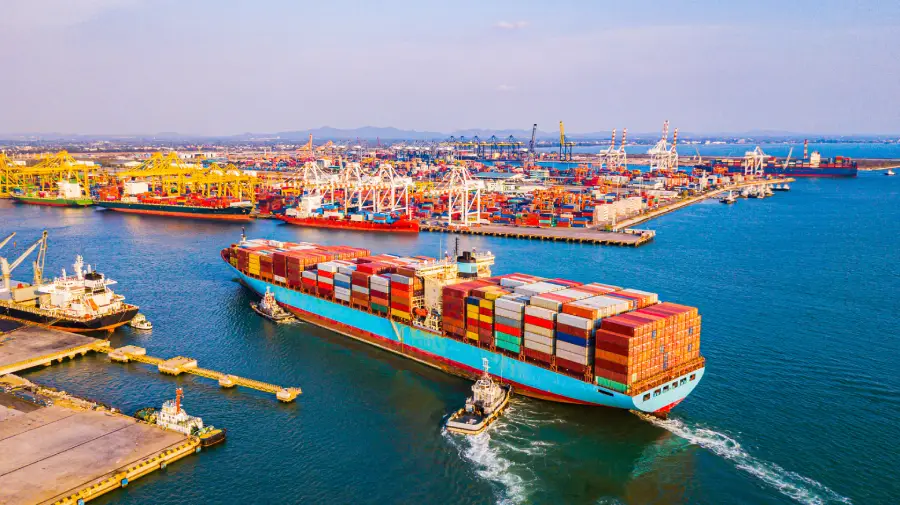
Implementing Solutions for Delay Reduction
To reduce delays effectively, consider adopting advanced technologies such as GPS tracking and route optimization software. These tools provide real-time updates on shipment status and help in selecting the most efficient routes. Additionally, establishing strong communication channels with carriers ensures quick response times to any unforeseen issues.
- Use GPS tracking for real-time shipment updates
- Optimize routes based on current traffic data
- Establish clear communication protocols with carriers
Best Practices for Smooth Operations
Adopting best practices can significantly impact how efficiently your freight moves from origin to destination. Regular training for staff on handling shipments ensures adherence to standard procedures. Collaborating with reliable partners who have a proven track record further enhances service quality. Frequent audits of processes also help in identifying areas for improvement.
Regulations Affecting Freight Transport
Adhering to industry regulations is crucial in managing freight transportation effectively. Compliance with safety standards, load limits, and environmental guidelines not only prevents legal issues but also promotes sustainable practices. Staying updated on regulatory changes helps companies avoid unnecessary delays and fines.
Cost Factors in Freight Management
The cost of freight management includes fuel prices, labor costs, and toll fees. Efficiently managing these expenses requires strategic planning and negotiation skills. Opting for bulk shipping or consolidating loads can lead to significant savings over time. Understanding these cost components helps in making informed decisions that benefit the bottom line.
Your Path to Efficient Freight Solutions
If you’re looking to streamline your logistics processes, Pick It Up & Drop It Off LLC offers expert guidance tailored to your needs. Based in Tulalip, WA, I provide comprehensive support to businesses aiming to optimize their supply chain operations. Call (360) 291-9336 today to discover how you can achieve faster, more reliable freight deliveries.